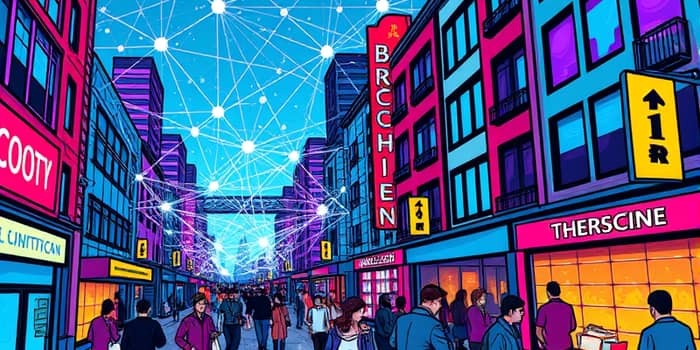
In a world driven by innovation, decentralized internet movement built on blockchain technology is redefining how we interact with money, data, and institutions. Web3 Finance promises a future where control shifts from centralized entities to individuals, enabling unprecedented access and transparency for millions. As the lines blur between online ledgers and real-world transactions, we stand at the threshold of a new financial era that merges digital assets with everyday life.
From remote villages to global metropolises, users are discovering that digital wallets and smart contracts can unlock services once reserved for the elite. By embracing Web3, communities gain tools to transact, save, and invest without intermediaries. Yet, this transition also brings challenges—regulatory uncertainty, technical complexity, and the need for user-friendly interfaces. Understanding the core principles and practical applications is essential for anyone looking to harness the power of this revolution.
At its foundation, Web3 Finance relies on three pillars: decentralization, permissionlessness, and trustlessness. These principles ensure that no single entity controls the network, anyone can participate, and transactions execute only when pre-defined criteria are met. This new paradigm leverages blockchain, smart contracts, and tokenized assets to create an environment where value moves freely across borders and time zones.
Traditional financial systems have long excluded large segments of the global population. High fees, geographical restrictions, and opaque processes leave billions underserved. In contrast, DeFi platforms operate 24/7 with open permissionless financial services for any user, lowering barriers and reducing costs. Whether sending remittances, accessing loans, or trading assets, participants enjoy greater freedom and control over their funds.
Moreover, the transparency of public blockchains helps rebuild trust in financial institutions. Unlike opaque banks and intermediaries, every transaction on-chain is verifiable by anyone. This immutability deters fraud and empowers users to audit protocols directly, fostering a culture of accountability. As Web3 adoption grows, the gap between digital finance and everyday commerce narrows, creating new economic opportunities worldwide.
To appreciate the transformative potential of Web3 Finance, it helps to contrast it with legacy systems. While banks rely on centralized ledgers and human intermediaries, DeFi platforms run on automated code and distributed networks. This fundamental difference yields faster settlement, lower fees, and greater accessibility for all participants.
Across continents, innovative projects demonstrate how Web3 reshapes finance. Remittance platforms slash intermediary costs, delivering funds in minutes with transparent, immutable, and publicly auditable ledger records. Decentralized exchanges let anyone trade tokens without relying on centralized operators. Lending protocols eliminate credit checks by using collateralized positions, empowering unbanked individuals to borrow assets instantly.
Despite its promise, Web3 Finance faces hurdles. Regulatory frameworks are evolving, and user interfaces often lack the polish of Web2 applications. Security remains paramount as smart contract bugs can lead to significant losses. To navigate this landscape, individuals and businesses should:
By taking a measured approach, users can minimize risks while unlocking the benefits of decentralized finance.
For individuals, diversifying between fiat and digital assets offers a hedge against volatility and systemic risk. Engaging with reputable DeFi platforms can yield higher yields through staking, liquidity provision, or yield farming. Always track performance and be ready to adjust positions as market conditions evolve.
Businesses can integrate blockchain payments to streamline cross-border transactions and reduce fees. Partnering with stablecoin providers ensures price stability for daily operations. Enterprises exploring tokenization can unlock new funding avenues, fractionalizing assets like real estate or intellectual property to reach a broader pool of investors.
The year 2026 marks a turning point as Web3 Finance transitions from speculative hype to utility-driven maturity. Central bank digital currencies (CBDCs) may coexist with stablecoins, while decentralized applications expand beyond finance into gaming, social media, and supply chain. Industry convergence will blur the lines between traditional and digital, guided by clearer regulations and improved user experiences.
Major institutions are already piloting hybrid models that combine blockchain’s strengths with established compliance frameworks. As more users witness the real-world benefits—cost savings, faster payments, and enhanced security—adoption will accelerate. The hybrid financial ecosystem of tomorrow will empower individuals and organizations to participate on their own terms.
Web3 Finance offers more than novel technology; it embodies a vision of financial inclusion and autonomy. By bridging digital ledgers with physical commerce, this movement promises to democratize access to capital, foster innovation, and rebuild trust in our financial systems. As we journey toward this future, each user has the opportunity to shape the landscape—one transaction, one smart contract, and one community at a time.
Embrace the change, stay informed, and participate responsibly. The bridge between the digital and physical worlds awaits, and together we can walk across it toward a more equitable and prosperous financial future.
References