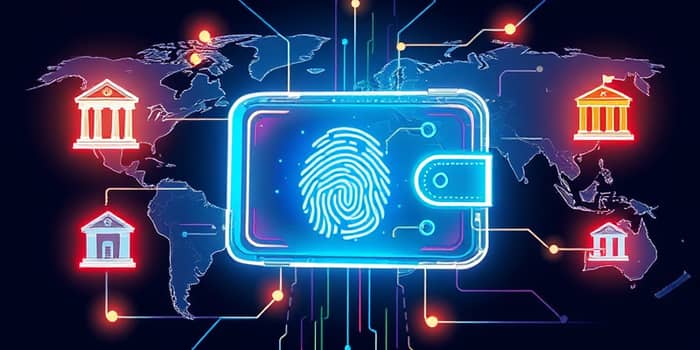
In an era defined by rapid digitization and growing demands for security and convenience, digital identity has emerged as a transformative force. It reshapes how individuals access services, empowers financial inclusion, and underpins the trust frameworks critical for tomorrow’s global economy. By understanding the core concepts, real-world applications, and future priorities of digital identity, individuals and institutions can harness its potential to drive innovation, growth, and social impact.
At its essence, digital identity is a collection of data, credentials, and keys that represent an individual or entity in cyberspace. Like a virtual wallet, it can store personal attributes—name, date of birth, biometrics, social security number—and digital certificates issued or overseen by governments and trusted authorities. These identities enable users to sign transactions with secure digital keys, prove attributes selectively, and authenticate without physical documents.
Key models include self-sovereign identity (SSI) wallets, where users wield full control over their data, and centralized systems such as India’s Aadhaar or Estonia’s eID, which leverage biometrics and government-backed registries. Future frameworks aim for universal SSI wallets enabling selective, time-limited sharing of credentials via encrypted connections or QR codes.
Digital identity forms the backbone of modern financial services. By linking verified identities to payment credentials, it accelerates onboarding, streamlines transactions, and fortifies fraud prevention. No longer constrained by lengthy paperwork or in-person verifications, banks and fintechs can deliver seamless, secure experiences that rival the trust level of physical passports.
By weaving digital identity into payment rails, institutions reduce friction, lower operational costs, and unlock new revenue streams. This synergy incentivizes broader adoption of both digital IDs and digital payments, fueling a virtuous cycle of innovation.
Beyond finance, digital identity catalyzes economic growth, social inclusion, and environmental sustainability. It empowers marginalized communities, streamlines government services, and diminishes reliance on paper-based processes.
Table: Comparison of leading digital identity systems and their financial impacts.
Key advantages include:
Governments, central banks, and private-sector innovators collaborate to deploy digital identity at scale. These initiatives illustrate the transformative potential of secure digital credentials.
Together, these deployments highlight a global shift toward trust frameworks that balance user control with regulatory requirements, shaping a future where identity is both portable and privacy-preserving.
Despite its promise, digital identity adoption faces hurdles around privacy, security, and governance. Addressing these challenges is critical to building public trust and ensuring resilience.
Major risks include:
Mitigation strategies focus on decentralized identifiers (DIDs), strong cryptography, multi-factor authentication, and internationally aligned trust frameworks. Collaboration among governments, industry bodies, and civil society is essential to ensure that digital identity remains a force for empowerment rather than exclusion.
To fully realize the potential of digital identity in finance and beyond, stakeholders must act on key priorities that foster inclusivity, interoperability, and trust.
By prioritizing these areas, the global community can create a virtuous cycle: secure digital identities bolster financial services, which in turn incentivize widespread adoption of digital credentials.
As billions around the world still lack reliable digital identification, the imperative is clear: we must build systems that are secure, user-centric, and inclusive. Digital identity is not just a technological innovation—it is the foundation upon which the future of finance, governance, and social progress will be built.
The journey ahead demands collaboration, innovation, and unwavering commitment to ethical principles. When executed thoughtfully, digital identity has the power to unlock economic opportunities, enhance security, and foster a more connected and equitable world.
References