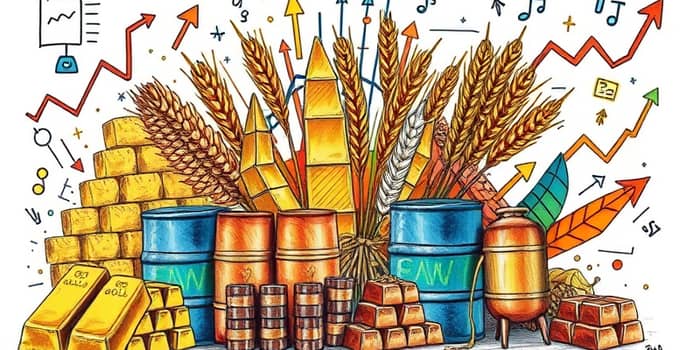
In a world driven by supply chains and global demand, commodity futures offer both opportunity and challenge. Whether you seek to hedge your business costs or to capitalize on price swings, understanding these markets is essential. This article will guide you through the core mechanics, strategies, and risk management techniques needed to succeed.
At its essence, a commodity futures contract is a standardized, legally binding agreement to exchange a specific quantity of a raw material at a predetermined price on a future date. Traded on regulated exchanges, these contracts specify the quality, quantity, delivery time, and location.
Most participants never take physical delivery; positions are closed out by offsetting trades, and the difference between entry and exit prices determines profit or loss. A robust clearinghouse ensures settlement, reducing counterparty risk dramatically.
Commodity futures serve two primary purposes: risk management and speculation. Producers lock in selling prices, while consumers secure purchase costs. Meanwhile, speculators add liquidity and drive efficient price discovery.
By bringing together diverse participants, futures markets become a vital essential tool for price discovery and resource allocation.
Effective speculation blends analysis, discipline, and adaptability. Before risking capital, consider the following approaches:
Combining methods can enhance performance but demands rigorous monitoring and a clear exit plan. Always align your approach with your risk tolerance and market outlook.
While potential rewards in futures markets can be substantial, so too can losses. Leverage magnifies outcomes, creating amplifying gains and losses. Successful traders employ robust risk controls to protect capital.
In addition to these tactics, a deeper view of major risk categories can inform your safeguards.
Commodity futures remain at the nexus of global trade and investment. Prices reflect dynamic shifts in market forces—from weather patterns to geopolitical tensions. By mastering fundamentals, you position yourself to anticipate trends and protect against adverse moves.
Start with thorough education, practice in simulated environments, and gradual capital allocation. Commit to a disciplined plan, and remember that every trade, win or lose, offers insight. With persistence, you can transform volatility into opportunity.
Whether you are a seasoned professional or a curious newcomer, today’s commodity futures markets offer a compelling arena to apply analytical skills, seize emerging trends, and contribute to efficient global pricing. Take the first step—equip yourself with knowledge, respect the risks, and embrace the possibilities ahead.
References