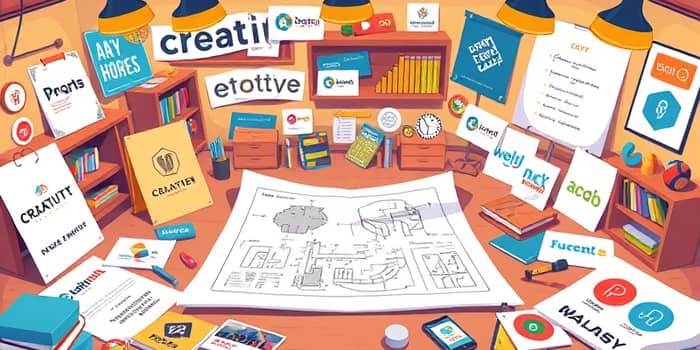
In today's crowded marketplace, building a brand is not just about aesthetics; it's about forging a deep connection with your audience that stands the test of time. a transformative journey of identity begins with a clear vision and strategic planning.
A strong brand can elevate your business, inspire loyalty, and drive growth in ways that mere products or services cannot. defining your core purpose is the foundation upon which everything else is built.
This article offers a detailed blueprint, synthesizing expert frameworks and real-world insights to guide you. crafting a memorable brand identity requires patience, creativity, and a methodical approach.
Whether you're launching a startup or refreshing an established brand, this roadmap will help you navigate each phase with confidence.
Every successful brand starts with thorough research. understanding your market context is crucial for identifying opportunities and avoiding pitfalls.
Begin by analyzing your audience's behaviors, frustrations, and desires. Use tools like Google Trends or social media to gauge trends and sentiments.
Segment your market to target specific customer groups effectively.
This phase sets the stage for a brand that truly resonates. informed decisions based on data can prevent costly mistakes later on.
With research in hand, it's time to develop a cohesive strategy. defining your unique selling proposition helps you stand out in a competitive landscape.
Your brand's purpose, voice, and personality should align with your core values. This creates authenticity that customers trust and admire.
Consider your positioning and architecture, such as whether to adopt a House of Brands or Branded House model.
A well-defined strategy provides direction and coherence. strategic alignment across all touchpoints ensures your brand message is clear and impactful.
Your brand's identity is expressed through visual and verbal elements. designing a logo and color palette forms the visual cornerstone of your brand.
Elements like typography, icons, and illustrations should reflect your strategy and appeal to your audience. A style guide is essential for maintaining consistency.
For memorability, aim for simplicity and boldness, as seen in brands like Apple or Meow Wolf.
These elements work together to create a cohesive identity. visual and verbal harmony makes your brand memorable and distinct.
Once your identity is crafted, it's time to roll it out. consistent application across channels is key to building recognition and trust.
Implement your brand across online and offline touchpoints, from websites and social media to packaging and physical spaces. Ensure that messaging is aligned in every interaction.
This phase transforms your blueprint into a living, breathing entity that customers can experience firsthand.
Execution requires diligence and attention to detail. seamless integration into daily operations reinforces your brand's presence and credibility.
To ensure long-term success, you must measure and adjust your brand strategy. tracking key performance indicators provides insights into what's working and what needs improvement.
Focus on four essential dimensions: awareness, image, preference, and loyalty. Set baselines and monitor progress regularly to stay on track.
Use tools like surveys, analytics, and feedback loops to gather data and make informed adjustments.
Adaptation is a continuous process. data-driven refinements over time help your brand evolve and thrive in changing markets.
Consistency is the glue that holds your brand together. adhering to brand guidelines ensures that every interaction reinforces your identity.
Engage with your audience through meaningful conversations and experiences to build loyalty. Protect your reputation by addressing issues promptly and ethically.
Encourage feedback and foster a community around your brand to deepen connections.
Loyalty stems from trust and reliability. consistent delivery of brand promises cultivates long-term relationships and advocacy.
Learning from successful brands can spark creativity and provide practical insights. diverse examples across industries highlight different approaches to identity building.
Here is a table categorizing notable brands and their key traits to inspire your journey.
These examples show that a strong identity can adapt and endure. learning from industry leaders can inform your own brand-building efforts.
For instance, Preventicum's luxury rebrand disrupted healthcare with premium positioning, while Raiola's heritage-inspired arrow system emphasized innovation.
Such cases demonstrate the power of a well-executed blueprint.
As you move forward, remember that brand building is an ongoing journey. embracing creativity and adaptability will keep your brand relevant and beloved.
Use available resources, like free strategy cheat sheets or templates, to streamline your process. Avoid common pitfalls, such as trying to appeal to everyone, by staying true to your niche.
Look ahead to trends like purpose-driven branding or digital-first versatility to stay ahead of the curve.
In conclusion, crafting a memorable brand identity is a rewarding endeavor that requires dedication and insight. a step-by-step blueprint guides success, from initial research to loyal customer relationships.
Start today by defining your purpose and engaging with your audience. With patience and persistence, you can build a brand that not only stands out but also stands the test of time.
References